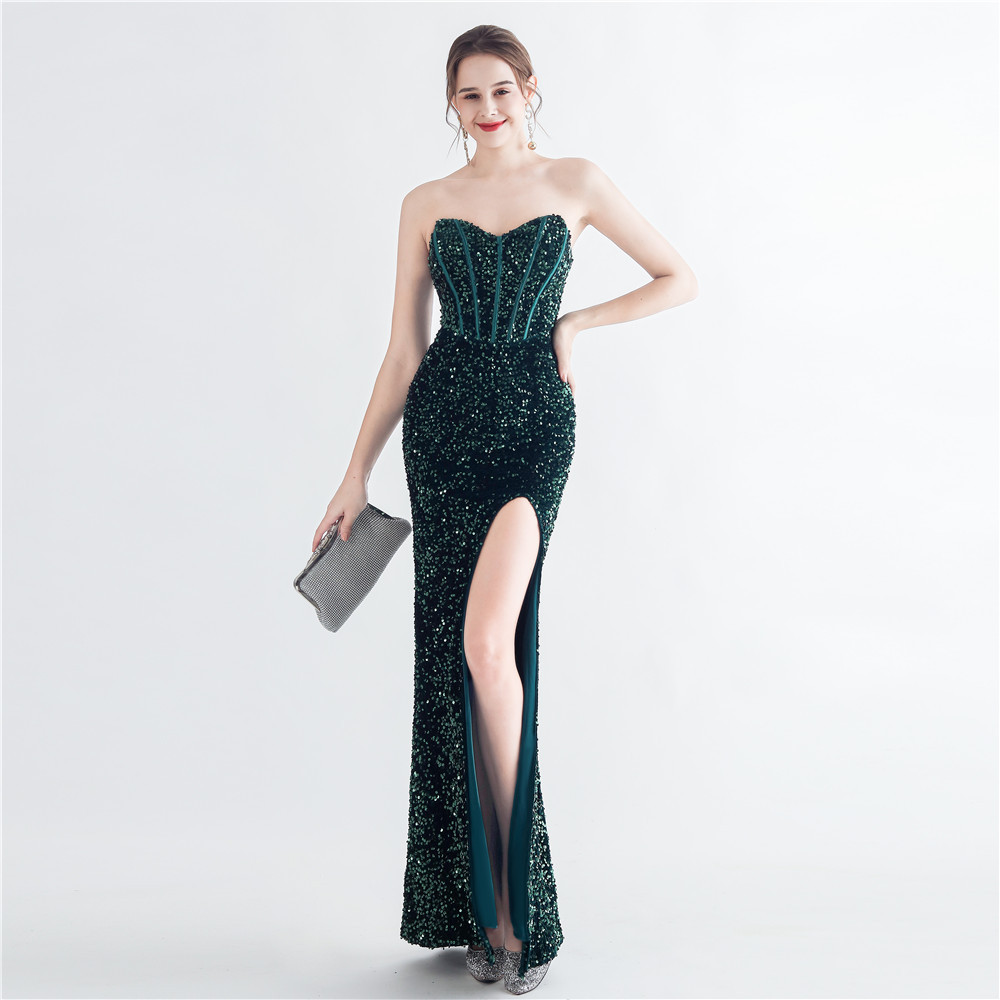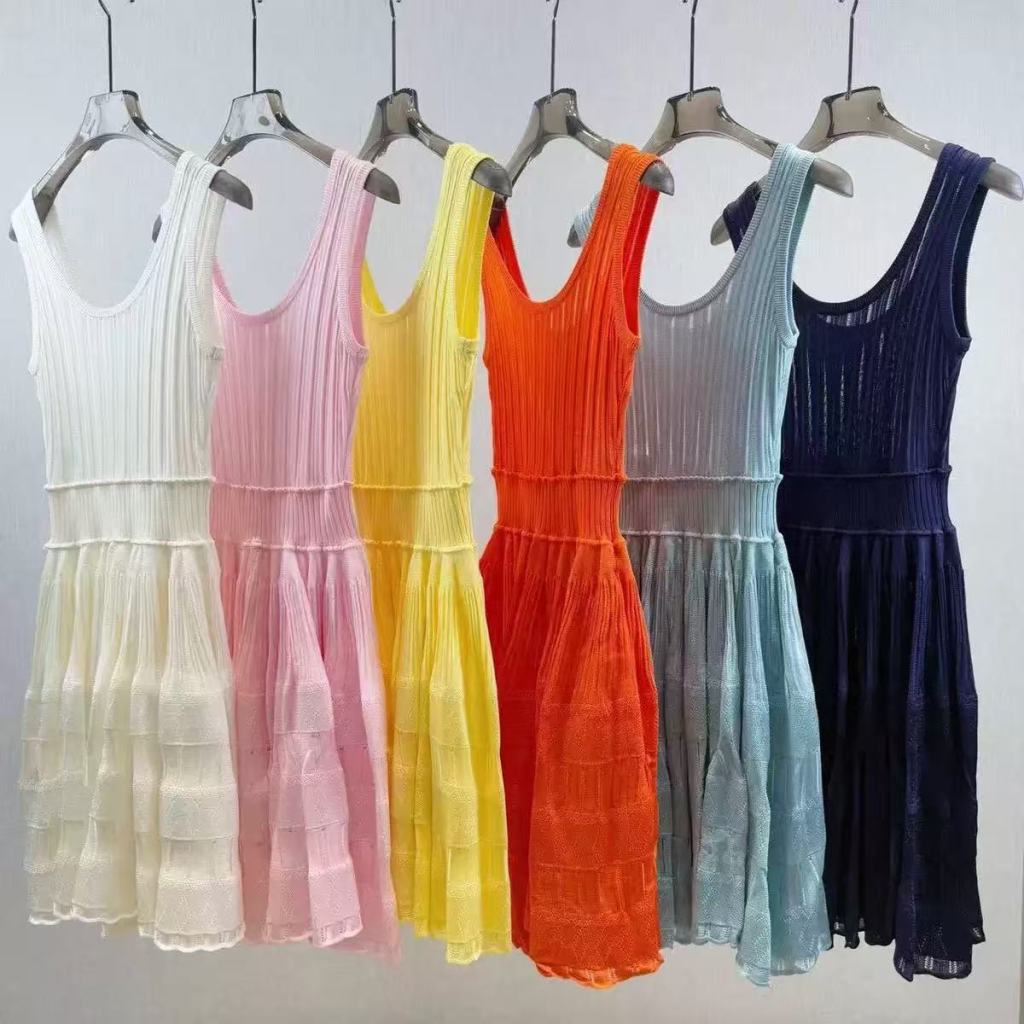
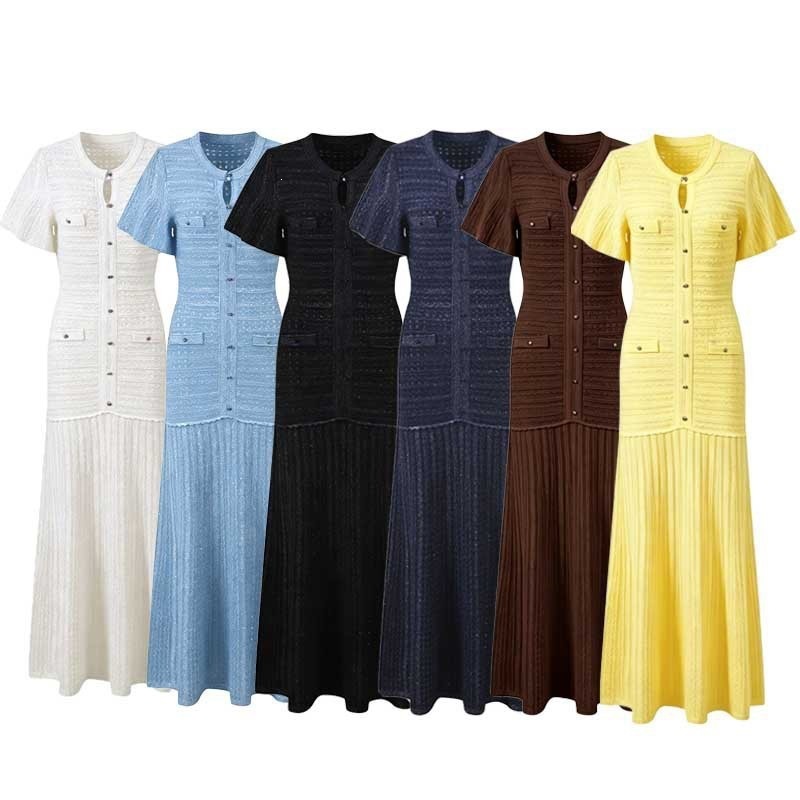
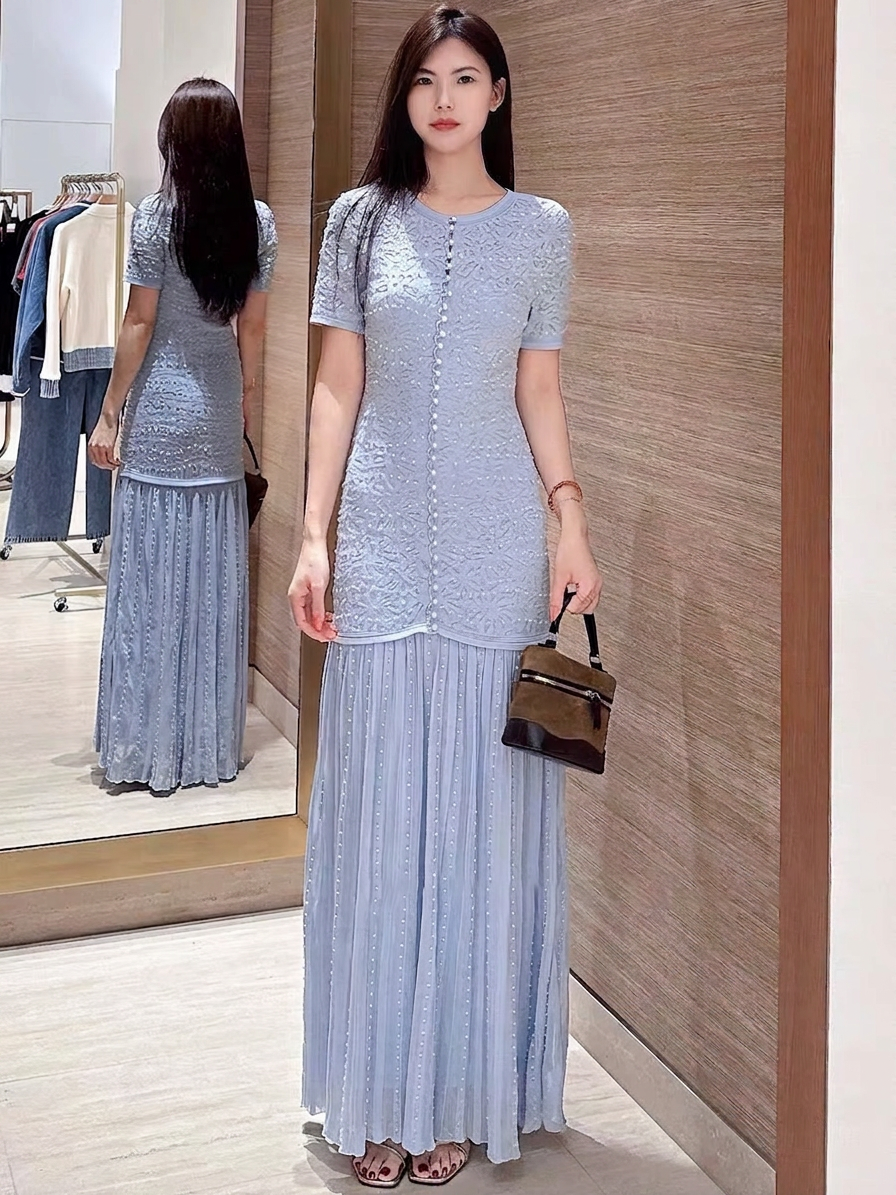
Knit dresses have become one of the most popular categories in women’s fashion.
From casual everyday styles to elegant occasion dresses, knitwear is everywhere. Women love knit dresses because they combine comfort, stretch, elegance, and versatility in a way that few other fabrics can.
However, not all knit dresses are created equal.
If you’ve ever wondered why one knit dress sells for $39 while another similar-looking style costs $129 or more, the answer usually lies in the details that aren’t immediately visible in product photos.
This guide will help you understand how to evaluate knit dresses based on materials, construction, fit, price, and where you shop.
Why Knit Dresses Are So Popular
Modern knitwear has evolved significantly over the last decade.
Today’s knit dresses are no longer limited to heavy winter sweater dresses. Advances in yarn technology have introduced lightweight and breathable materials that work beautifully year-round.
Women are increasingly choosing knit dresses because they offer:
- Comfortable stretch
- Figure-flattering silhouettes
- Wrinkle resistance
- Easy travel wear
- Elegant appearance
- Better size flexibility
For many women, especially those over 40, knit dresses provide the perfect balance between comfort and sophistication.
Step 1: Check the Fabric Composition
The fabric label is often the best indicator of quality.
Budget-Friendly Options
Common materials:
- Polyester
- Acrylic
Pros:
- Affordable
- Durable
- Easy care
Cons:
- Less breathable
- May feel synthetic
- Can pill over time
These dresses are often found in the $30-$60 range.
Mid-Range Options
Common materials:
- Viscose
- Rayon
- Nylon blends
Pros:
- Softer feel
- Better drape
- More breathable
- More luxurious appearance
These materials are often considered the sweet spot between quality and price.
Most high-performing knit dresses fall into this category.
Premium Options
Common materials:
- High-grade Viscose
- Modal
- Lyocell
- Cotton blends
Pros:
- Exceptional softness
- Superior drape
- Better moisture management
- Long-lasting comfort
Premium materials often justify higher retail prices.
Step 2: Look Beyond the Photos
Many knit dresses appear similar online.
However, construction quality can vary dramatically.
Pay attention to:
Texture
Quality knitwear often features:
- Engineered patterns
- Jacquard knitting
- Dimensional textures
- Refined stitching
Flat, basic knitting usually indicates a lower production cost.
Weight and Structure
A quality knit dress should have enough weight to drape beautifully without feeling heavy.
If product descriptions mention:
- Structured knit
- Premium knit
- Heavyweight knit
- Sculpting knit
it often suggests better construction.
Details
Look for:
- Decorative buttons
- Pearl accents
- Pleated skirts
- Textured panels
- Contrasting knit structures
These details typically require more labor and craftsmanship.
Step 3: Understand the Price Difference
Many consumers assume brands simply charge more for marketing.
While branding certainly plays a role, manufacturing costs can vary significantly.
A simple knit dress may cost a factory around RMB 100 ($15).
A more sophisticated knit dress featuring premium yarns, textured knitting, and detailed finishing can exceed RMB 300 ($40+).
The difference comes from:
- Better yarn quality
- More knitting time
- More material usage
- Additional embellishments
- More advanced pattern development
In knitwear, higher prices are often connected to real production differences.
Step 4: Match the Dress to Your Needs
For Everyday Wear
Look for:
- Polyester-viscose blends
- Simple silhouettes
- Easy-care fabrics
Typical budget:
$40-$80
For Work or Social Events
Look for:
- Viscose-rich fabrics
- Textured knitting
- Structured silhouettes
Typical budget:
$80-$150
For Special Occasions
Look for:
- Premium yarn blends
- Decorative details
- Pleated skirts
- Sophisticated construction
Typical budget:
$120-$250+
These dresses often compete with formal dresses while providing significantly more comfort.
Step 5: Consider Where You Shop
The same dress category can vary widely depending on the sales channel.
Fast Fashion Platforms
Typical range:
$30-$60
Best for:
- Trend-driven purchases
- Short-term wear
- Budget-conscious shoppers
Amazon and Online Marketplaces
Typical range:
$50-$120
Best for:
- Everyday dresses
- Travel wear
- Value-focused shopping
Independent Boutiques
Typical range:
$80-$180
Best for:
- Unique styles
- Higher-quality construction
- Better fabrics
Premium Fashion Brands
Typical range:
$150-$400+
Best for:
- Brand experience
- Design exclusivity
- Luxury positioning
Higher prices do not always guarantee higher quality, so evaluating materials and construction remains important.
Red Flags to Watch For
Before purchasing, be cautious if:
- Fabric composition is not disclosed
- Product photos are heavily edited
- Close-up detail images are missing
- Customer reviews mention pilling
- Sizing information is vague
These can indicate lower-quality manufacturing.
Final Thoughts
The best knit dress is not necessarily the most expensive one.
For many shoppers, the ideal choice sits in the middle of the market: a dress made from quality viscose or rayon blends, featuring thoughtful construction, elegant details, and a flattering fit.
When shopping for knitwear, focus on more than appearance.
Check the fabric composition, examine the construction details, understand the price range, and choose a style that fits your lifestyle.
A well-made knit dress can offer something few garments can: the comfort of casual wear combined with the elegance of a much more expensive outfit.
That’s exactly why knit dresses continue to be one of the most loved categories in modern women’s fashion.